
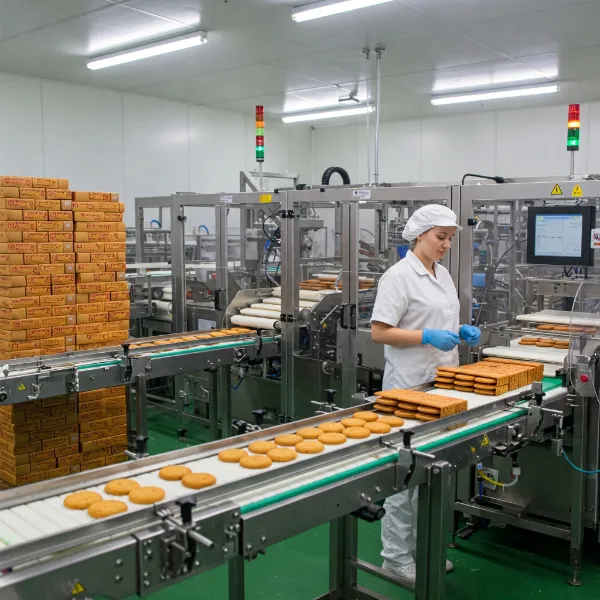
Food packaging represents a crucial phase in the agri-food supply chain. It is not only a practical solution for storing and transporting products but also a strictly regulated process designed to ensure the safety, hygiene, traceability, and quality of food products. In modern industry, food packaging plays a strategic role: it protects the product, communicates information to consumers, and contributes to sustainable production.
Companies involved in food product packaging must comply with specific European and national regulations and adopt technologies and procedures that ensure high-quality standards. Understanding the main rules and applying good operational practices is essential to operate in a compliant and competitive manner: we discuss them in this article.
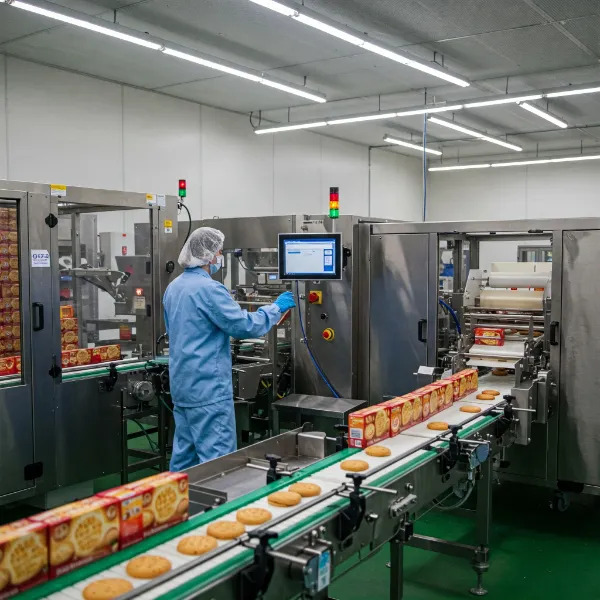
The importance of packaging in the food industry
In modern production, food packaging is an integral part of the manufacturing process. Packaging has several essential objectives:
- Protecting food from external contamination
- Preserving nutritional and organoleptic characteristics
- Facilitating transport and distribution
- Extending product shelf life
- Providing clear consumer information
Machines for food packaging supplies must ensure maximum food safety from production to final consumption. Materials and advanced technologies, such as vacuum packaging, modified atmosphere packaging, or barrier packaging, are often used. In the industrial sector, packaging also serves a marketing role: labels, formats, and design solutions enhance the product’s visibility and recognition.
Regulatory framework for food packaging
Food packaging is governed by several European regulations defining precise requirements for materials, processes, and consumer information.
Key references include Regulation (EC) No. 1935/2004, which establishes requirements for materials and objects intended to come into contact with food (MOCA), ensuring that materials do not release substances in amounts that:
- Pose a risk to human health
- Alter the product’s composition
- Affect organoleptic properties
Regulation (EU) No. 1169/2011 outlines mandatory labeling information, such as ingredients, allergens, expiration date, storage conditions, and nutritional values. Companies must also implement HACCP-based self-control systems to identify and monitor potential food safety risks along the supply chain.
Materials for food packaging
The choice of materials is one of the most important aspects of food packaging. Each type of food requires specific characteristics to ensure proper preservation and product safety.
Among the most commonly used materials in food packaging machinery are: food-grade plastic, used for films, trays, and flexible packaging; glass, suitable for foods that require high protection against contamination; metal, for canned and long-shelf-life products; and finally, paper and cardboard, widely used for secondary packaging and dry foods such as bread, cakes, croissants, pasta, pizza, snacks and many others.
Cardboard packaging plays a particularly important role in the food product packaging sector today due to its versatility, lightness, and sustainability. Cardboard offers significant advantages: it is lightweight, durable, and easily customizable, allowing the production of foldable boxes, carton box, trays, or displays with graphics and designs designed to enhance the product. It can also be treated or laminated with films or coatings to increase resistance to moisture, grease, or other external factors, making it suitable for a wide range of foods.
Another major advantage of cardboard packaging is its environmental sustainability: cardboard is recyclable, and its lightness and foldability also help optimize transport and storage, reducing costs and environmental impact.
To achieve effective and regulation-compliant packaging, it is essential to rely on specialized machines and systems. Companies like CARTOMAC specialize in manufacturing industrial cardboard packaging machinery that meet the needs of the food industry, helping make food packaging processes more efficient, safe, and compliant with current regulations.
Best practices in food packaging
Beyond regulatory compliance, companies should adopt operational best practices:
- Hygiene control: high sanitation standards and trained personnel
- Material traceability: ensuring the origin of all components is identifiable
- Quality control: regular checks on weight, sealing, and package integrity
- Correct labeling: clear, legible, and legally compliant information
These measures reduce errors and ensure safety throughout the production chain.
The strategic role of packaging in the food supply chain
In today’s market, food packaging is central to a company’s competitiveness. Beyond protection and compliance, it supports logistics, marketing, and sustainability. Food companies increasingly invest in advanced technologies and innovative solutions to improve process efficiency and reduce environmental impact.
Properly designed food product packaging reduces waste, optimizes transport, and preserves product quality. CARTOMAC’s goal is to provide clients with technologically advanced food packaging machines, including: cartoning machine, box forming machine, and complete packaging lines, meeting the growing demands for safety, transparency, and sustainability.
FAQ – Food Packaging
What is packaging?
Packaging refers to the activities and materials used to contain, protect, store, and present a product. It includes the package design, materials, and information displayed on the packaging.